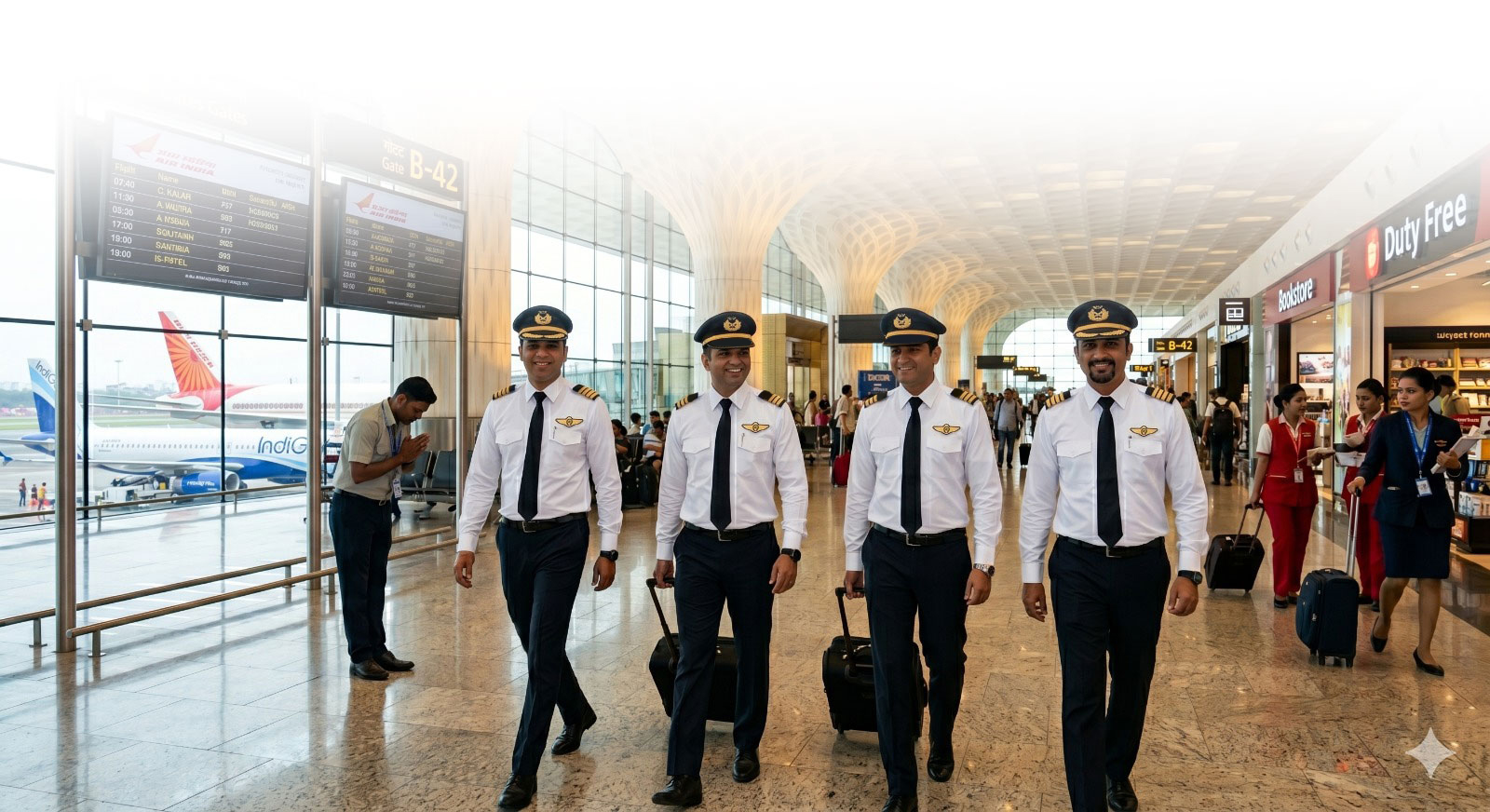
DGCA Medicals: Can You Pass the Pilot Fitness Test?
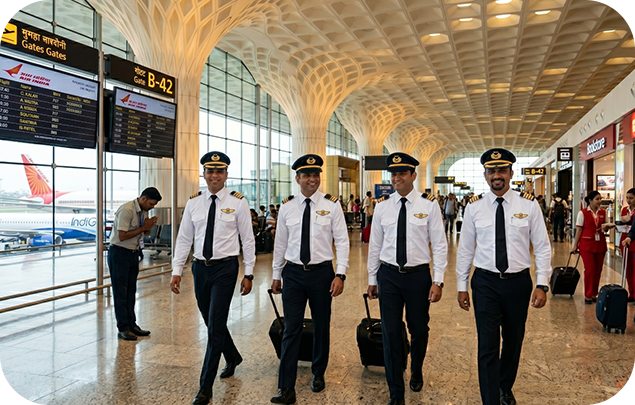
In India, you can’t fly a plane without a green light from the Directorate General of Civil Aviation (DGCA). Think of this as the ultimate "entrance exam" for your body.
1. The Two Stages of Medicals
Class 2 Medical: The first step for every student pilot. It’s done by DGCA-authorized private doctors.
Class 1 Medical: A much stricter exam required to actually hold a Commercial Pilot License (CPL).
2. Key Health Checkpoints
Vision: You must have 6/6 vision (with or without glasses). Color blindness is usually a deal-breaker.
Hearing: You must be able to hear a whisper from 6 feet away and pass an audiometry test.
General Health: No history of fits (epilepsy), major heart issues, or chronic diabetes.
LASIK: It is allowed, but only if you meet specific age and stability criteria.
3. The 3-Step Process
Register: Create a profile on the e-GCA Portal.
Tests: Complete lab work (Blood, Urine, ECG, Chest X-Ray) at an approved centre.
Physical Exam: Meet your DGCA doctor for the final check-up. If you pass, you get your Medical Assessment—the "fit to fly" certificate.
Pro-Tips for Students:
Start Early: Paperwork can take 2–4 months. Don’t wait until you join a flight school!
Informal Eye Check: Before spending lakhs on training, visit a local eye doctor to check your Color Vision (Ishihara test). It’s the most common reason for disqualification.
Don't Panic: If you get a "Temporary Unfit" status, it usually just means you need to fix something minor (like weight or a tooth cavity) and re-apply.
The Golden Rule: Your medical is your most important license. Keep it valid, or you stay on the ground !