The Power of Soft Skills in Aviation
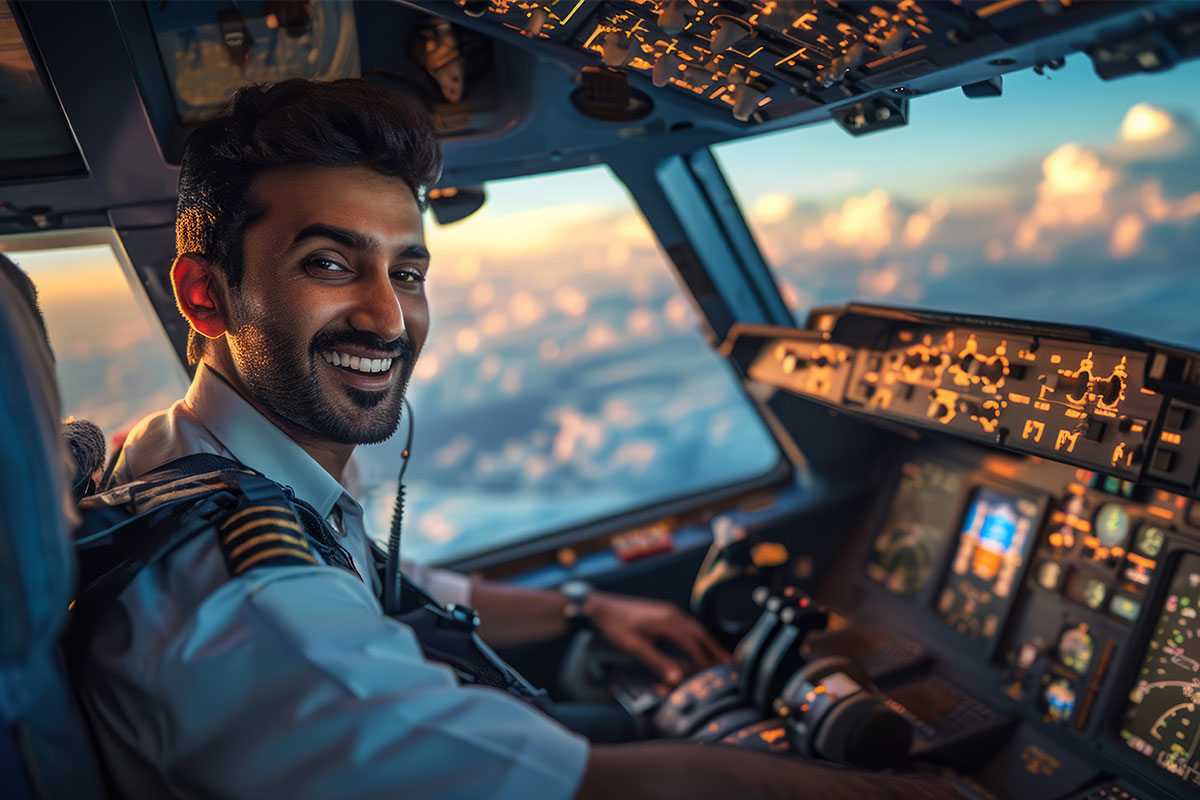
In Aviation, technical expertise gets the plane off the ground, but soft skills ensure a safe and successful journey. In a high-stakes environment 35,000 feet in the air, these human skills are just as critical as technical ratings.
1. Communication as a Safety Tool
Most aviation incidents stem from communication breakdowns, not mechanical failure. The ability to give clear, concise, and assertive instructions—especially during emergencies—is a literal lifesaver.
2. Emotional Intelligence (EQ)
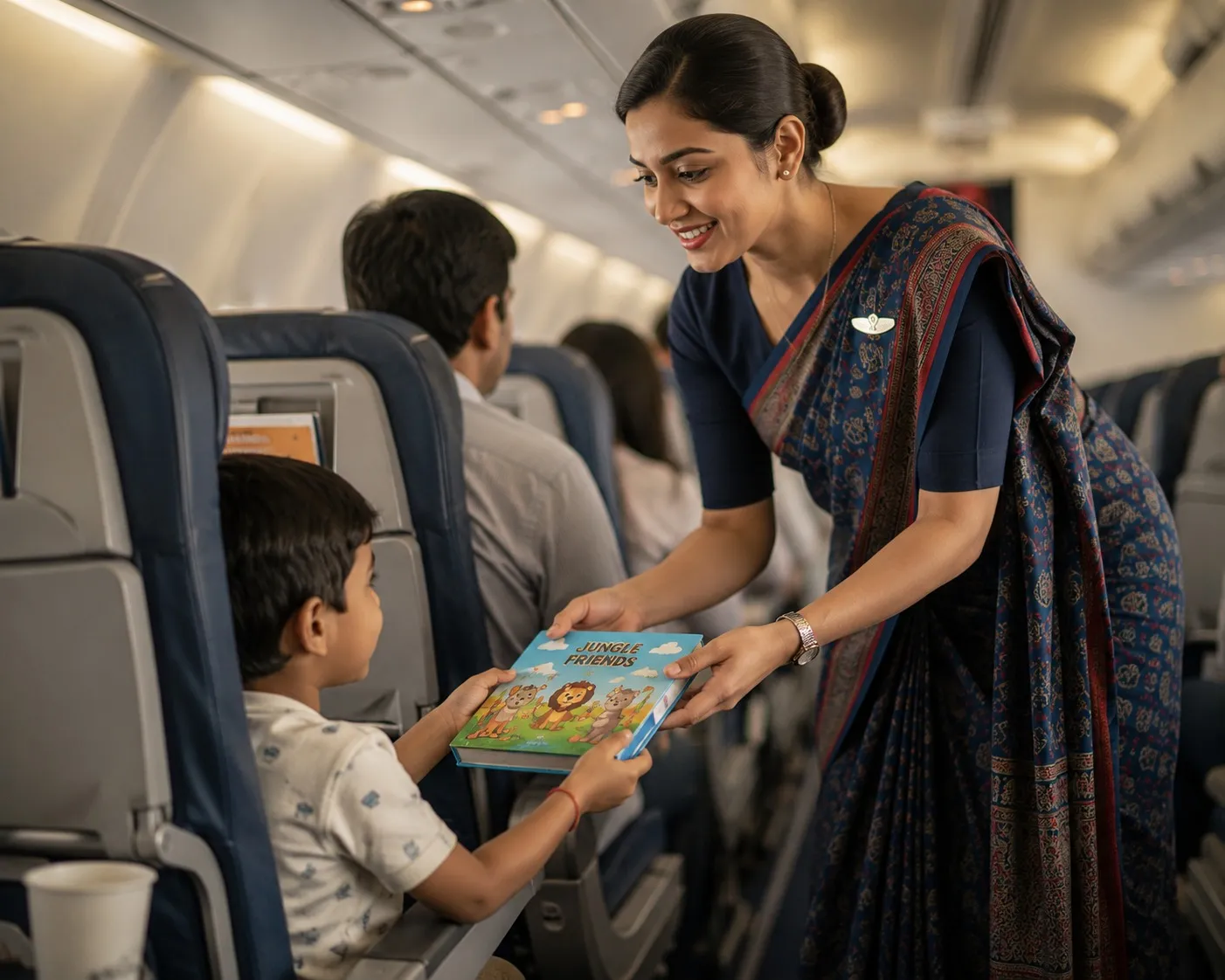
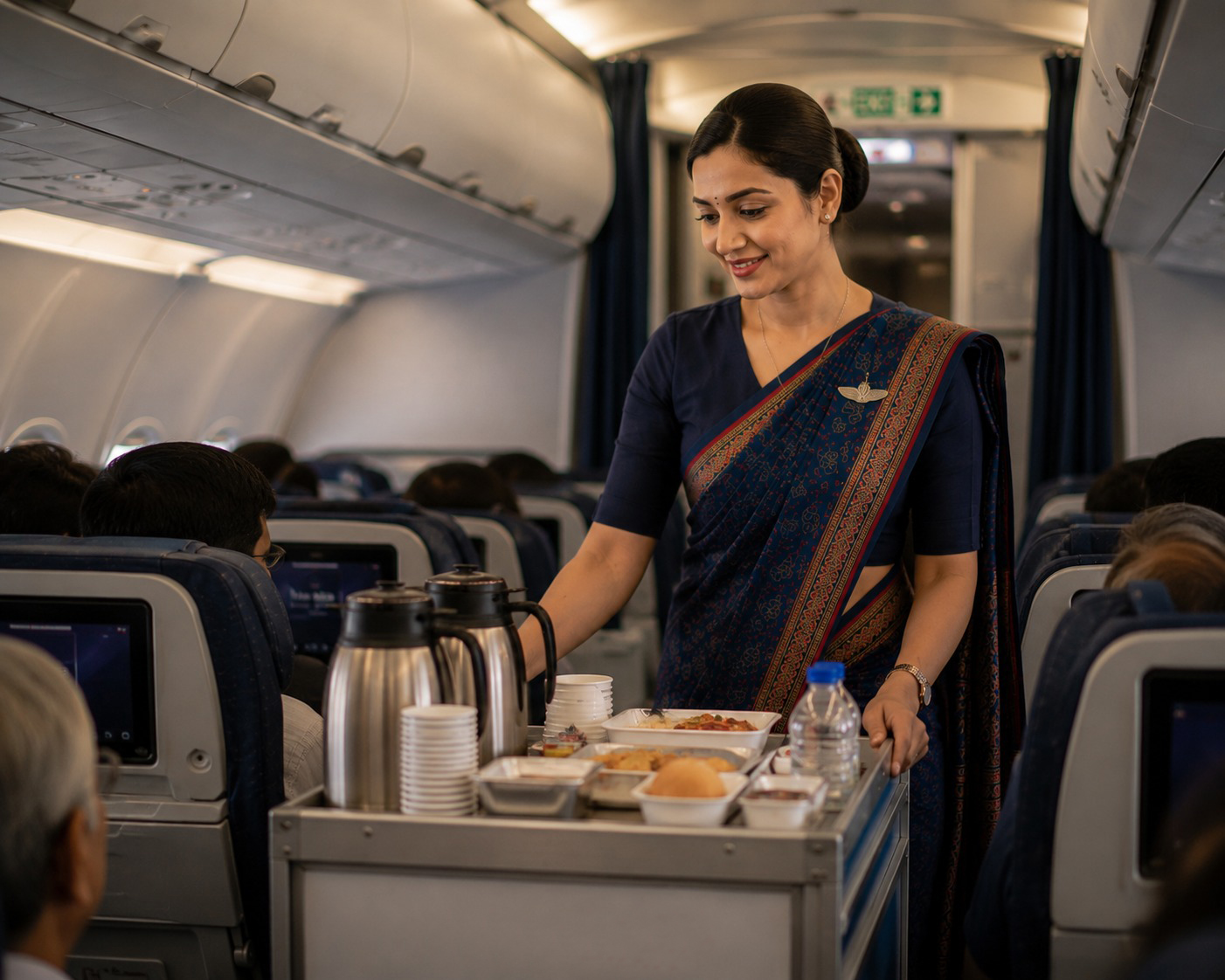
The aircraft cabin is a high-pressure space. Crew members must be experts at reading body language and de-escalating conflicts with diplomacy, keeping minor frustrations from turning into safety risks.
3. Cultural Adaptability
Aviation bridges the globe. Having the "cultural intelligence" to respect diverse backgrounds and social norms ensures that every passenger feels seen, respected, and safe, regardless of where they are from.
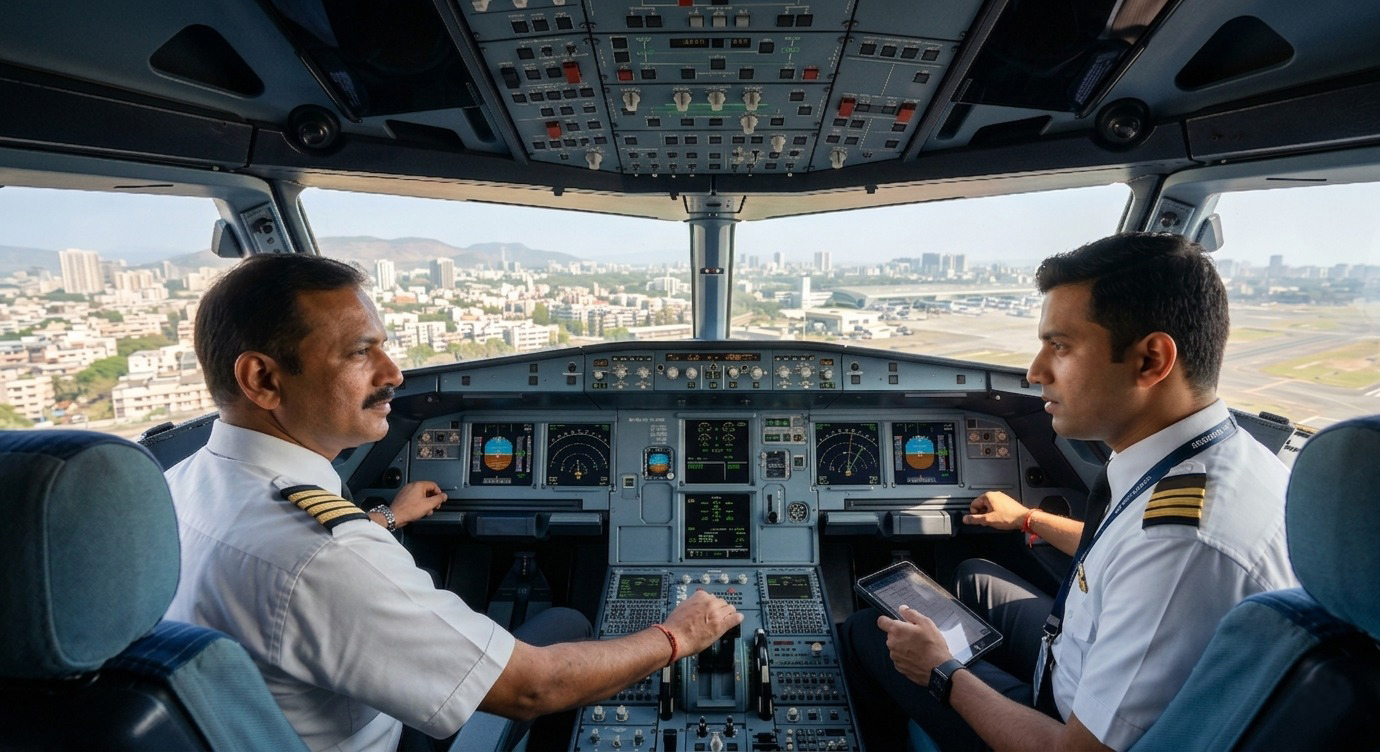
4. Rapid Teamwork
Flight crews change daily. You must have the ability to build instant rapport with new colleagues, functioning as a seamless unit the moment you step on board. There is no "learning curve" when the doors close.
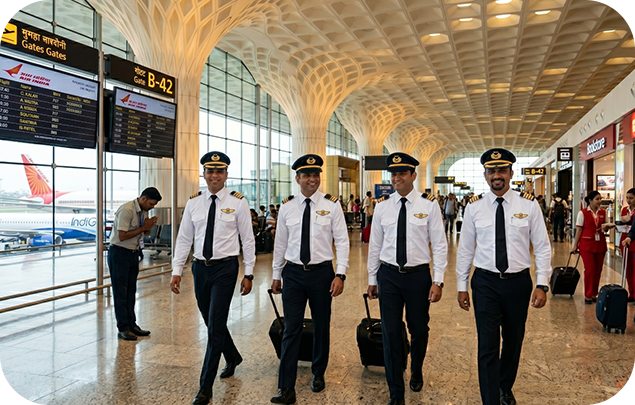
5. Professional Poise
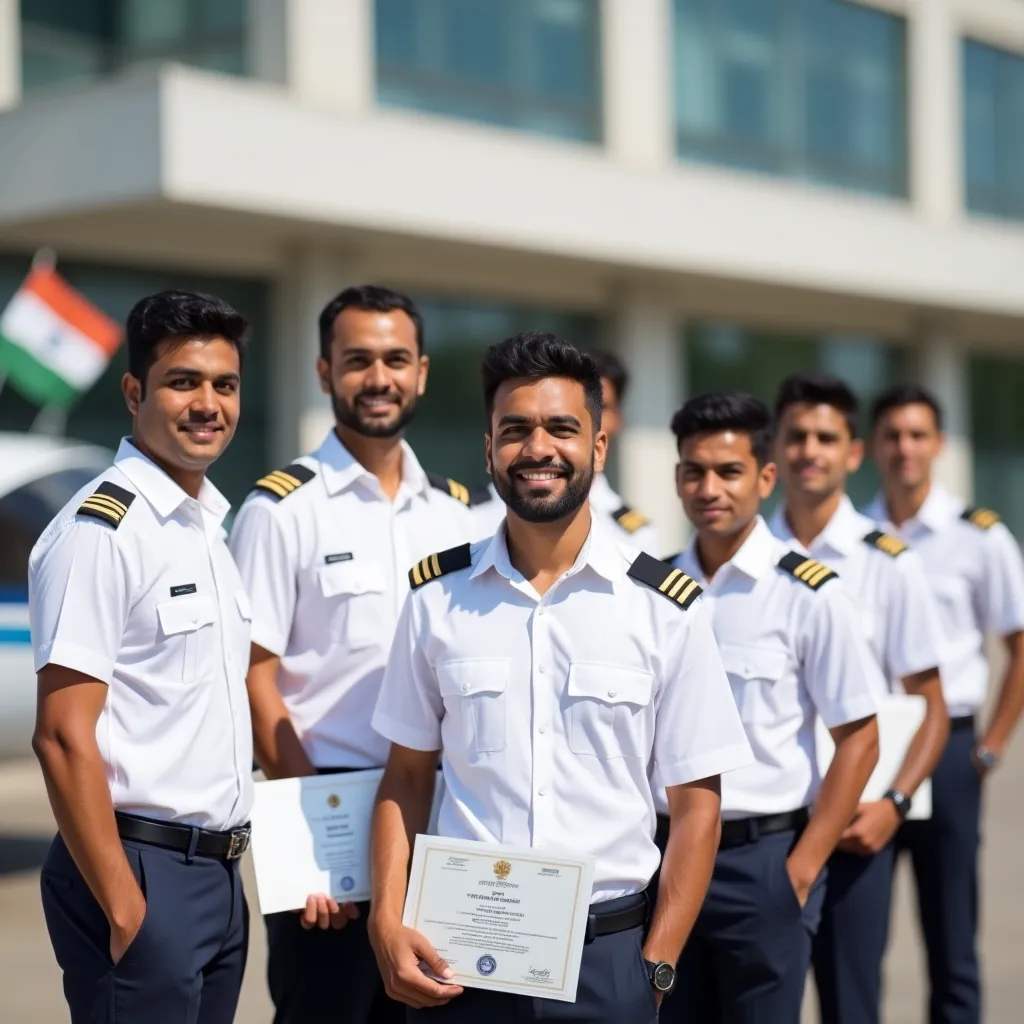
To the passenger, the crew is the airline. Meticulous grooming, professional etiquette, and a calm demeanor build immediate trust and reflect the discipline of the entire organization.
The Bottom Line: Hard skills fly the plane; soft skills manage the environment. For a successful career in the skies, your ability to connect is just as important as your ability to perform.