How Fatigue Affects Pilot Performance and How Pilots Can Prevent It
What Is Pilot Fatigue?
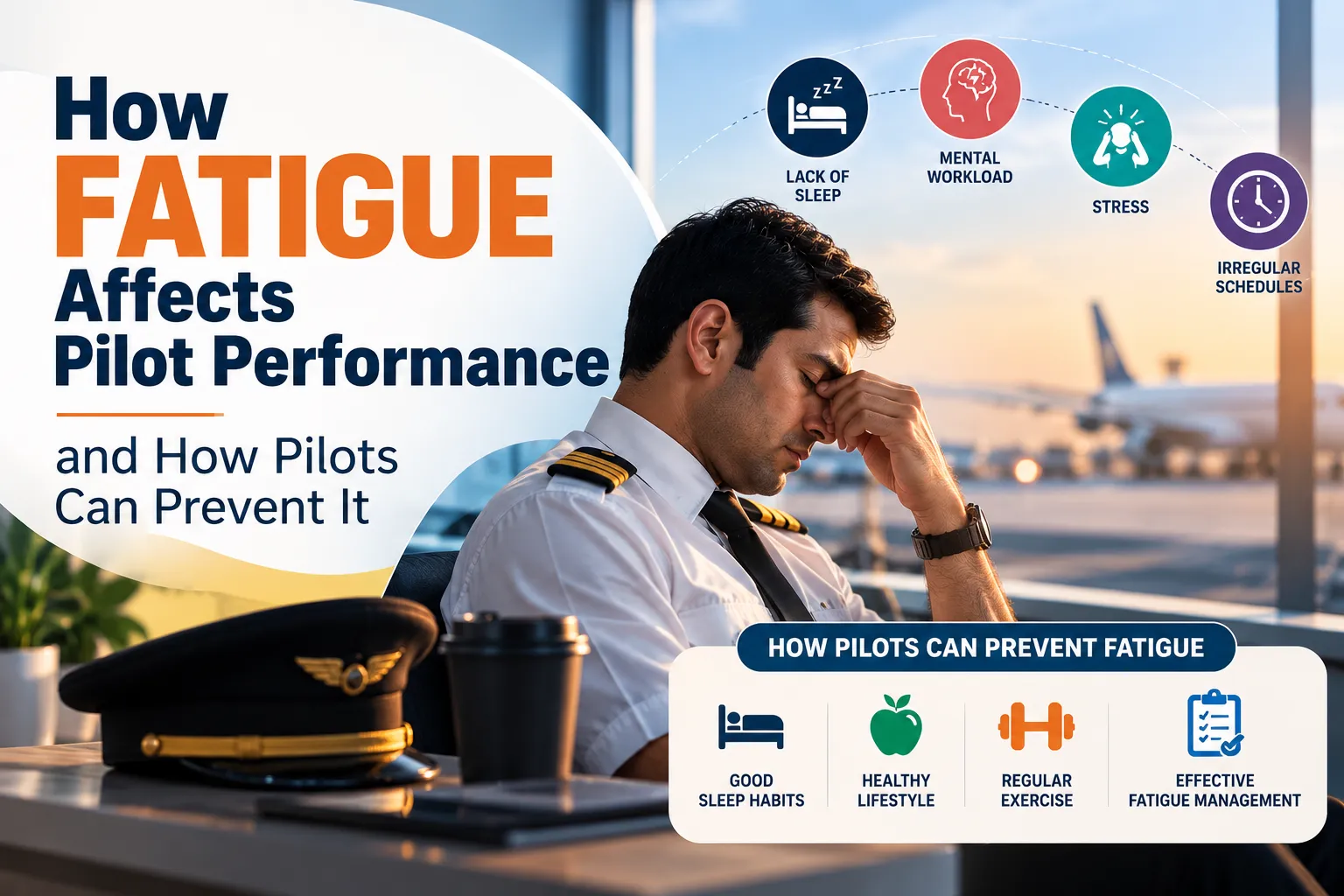
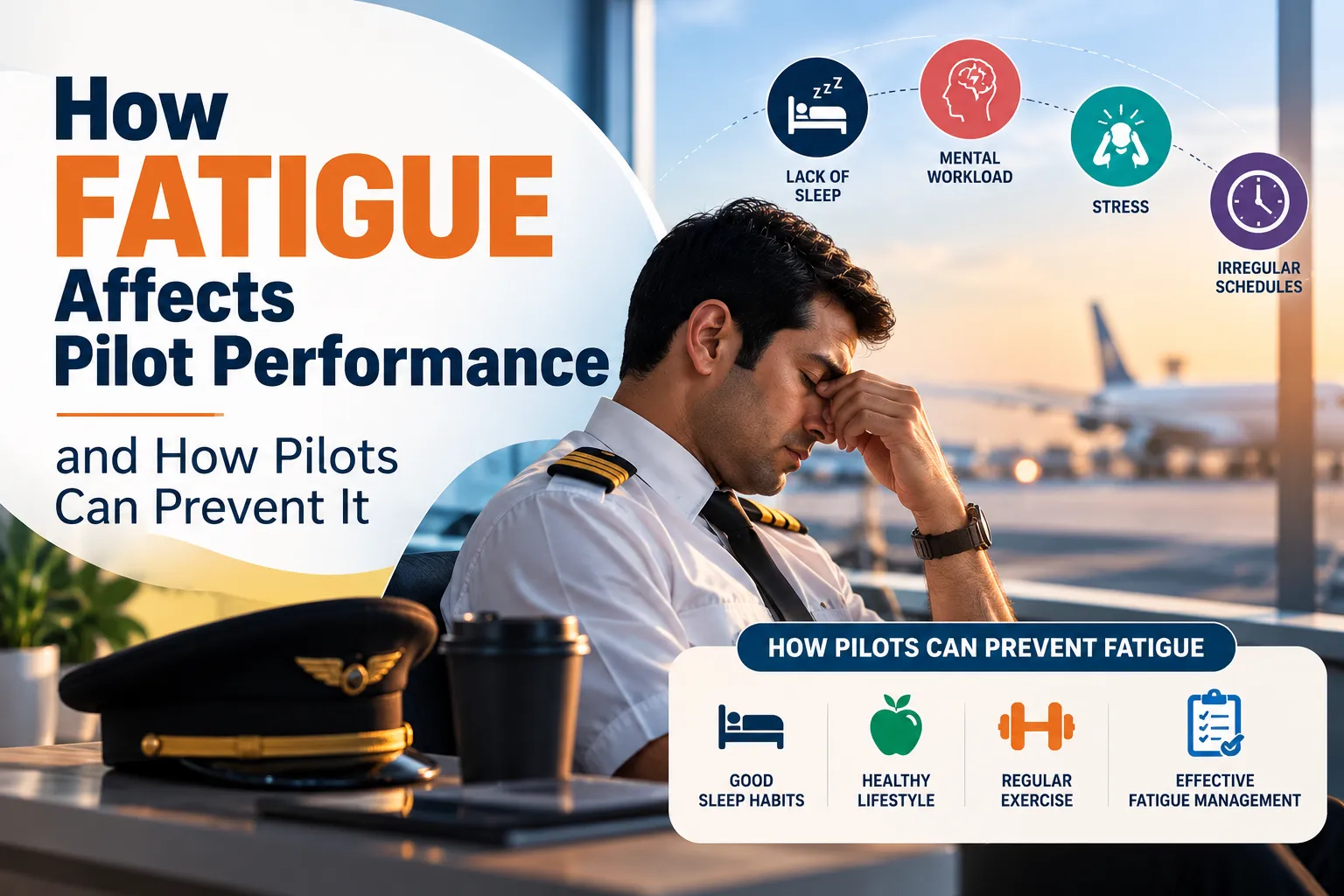
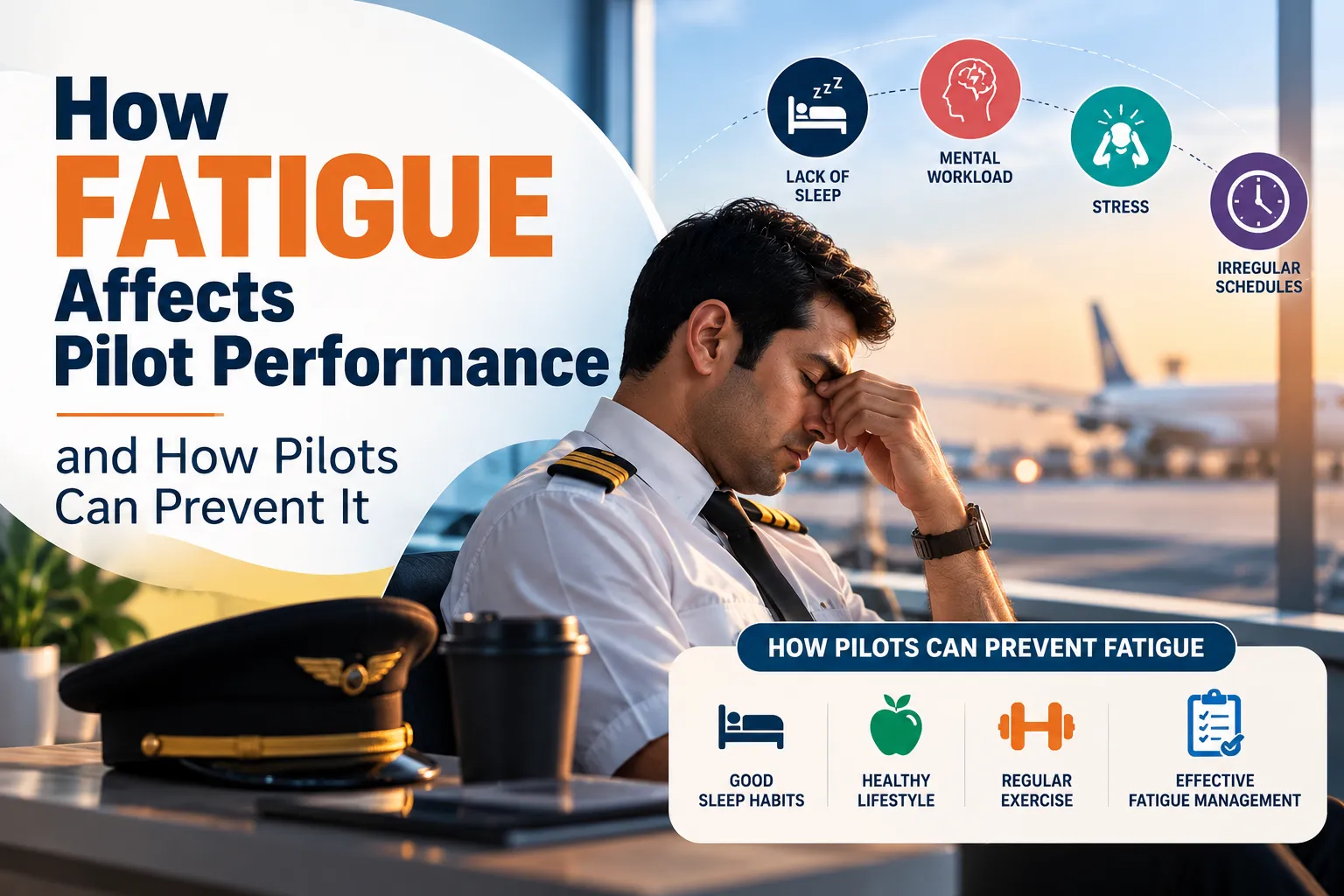
Fatigue is one of the most important human factors affecting aviation safety. Pilots in flight have to make right decisions, maintain situational awareness, communicate clearly and quickly response to unexpected situations. While a pilot is tired, he may experience a decrease in any of the above-mentioned competencies even if he feels that he is able to work further.
Fatigue can be caused by lack of sleep, extended duty, irregular work schedules, night operations, jet lag, stress, and lifestyle choices. The understanding of fatigue mechanisms and how to deal with it is an essential part of every pilot’s professional skills.
How Does Fatigue Affect Pilot Performance?
Fatigue has a major impact on the following elements of pilot performance:
1. Reduced Reaction Time:
Because fatigue decreases a pilot’s reaction time, he or she may be unable to react promptly to warning signals, changes in the weather, announcements, and other important indications.
2. Reduced Concentration:
Fatigue decreases a pilot’s ability to maintain concentration for long periods of time, resulting in the pilot missing or not noticing vital information.
3. Poor Decision Making:
Sleep deprivation has an effect on a pilot’s decision-making skills by prolonging reaction time and in some cases rendering it impossible for automated systems to operate. A fatigued pilot is likely to find it hard to make the same decisions as a rested pilot without hesitation or second guessing.
4. Lowered Situation Awareness:
Fatigue decreases the pilot’s ability to process and assimilate the large amounts of information needed to maintain situation awareness. Situation awareness is the constant mental and visual processing of all relevant information about the situation in which the aircraft is flying.
5. Communication/Coordination Difficulties:
Fatigue may lead to miscommunication between the pilots, crew members, air traffic controllers, and other support personnel. Maintaining situational awareness is especially difficult during unusual or emergency situations. Above mentioned competencies even if he feels that he is able to work further.
Fatigue can be caused by lack of sleep, extended duty, irregular work schedules, night operations, jet lag, stress, and lifestyle choices. The understanding of fatigue mechanisms and how to deal with it is an essential part of every pilot’s professional skills.
How Can Pilots Reduce Fatigue? Essay
Though it can be hard to avoid sometimes, especially with night flights, rosters, and long hauls, a pilot can reduce their fatigue in a number of ways.
1. Priorities Quality Sleep:
A pilot needs to priorities getting enough sleep,
So they should try to get a good night’s rest whenever possible.
They should also try to establish a routine and make sure their sleeping environment is conducive to catching some z’s. When a pilot has to wake up early or sleep late because of work, they should prepare themselves for it, instead of using coffee as a replacement for proper shut-eye.
2. Exercise Regularly:
A pilot can reduce fatigue by ensuring that they exercise often.
Similar to the first tip, physical activity promotes better functioning of the body during the day and reduces fatigue in the night. However, one must ensure that they do mild exercises like walking, biking, swimming, or weightlifting. At the same time, one should refrain from engaging in extremely strenuous activities that could impede the sleeping process.
3. Eat Healthily:
They must ensure that they eat healthy meals
A healthy meal not only provides the body with the required energy to carry out daily activities but also reduces the likelihood of fatigue and lethargy during the day. Therefore, a pilot should avoid greasy and processed meals as much as possible. In addition, one should also ensure that they drink plenty of water to stay hydrated.
4. Stay Hydrated:
Being dehydrated may also make one feel tired and sluggish
Although a pilot might feel more energized after taking a cup of coffee, it can hinder their ability to sleep or lead to a crash later in the day if the effects of the beverage kick in.
5. Use Caffeine and Other Stimulants in Moderation:
A pilot should avoid taking too much caffeine or other similar substances.
They should also be able to identify the warning signs of fatigue or when their body signals that it needs to sleep. These cues include yawning, lack of concentration, poor reflexes, and irritability. If one feels fatigued, they should report it to the relevant authorities immediately since it can enhance their safety and that of others.
6. Take Fatigue Seriously:
A pilot must understand how to respond to fatigue.
Pilots should identify warning signs of fatigue by observing such reactions as excessive yawning, daydreaming, decreased mental activity, irritability, or making strange mistakes. In addition, I believe that reporting fatigue through the established organization process is an important safety issue.
Conclusion
Fatigue is not only caused by tiredness but also by the associated deterioration in psychomotor performance, concentration, decision-making, communication, and situational awareness.
Good sleep hygiene, regular physical activity, healthy eating, proper fluid intake, and limitation of caffeine consumption help to manage fatigue. Moreover, a pilot should always be aware of the warning signs of fatigue and follow the applicable Flight Time Limitations and Fatigue Risk Management System rules.
A rested pilot is a safe pilot who can control the aircraft properly during periods of high workload intensity.